
In an age dominated by social media, where our feeds are inundated with perfectly curated travel photos and inspirational quotes, it’s easy to forget the raw beauty and thrill of real-life adventures. Traveling isn’t just about ticking off items on a bucket list; it’s about pushing boundaries, immersing oneself in nature, and truly experiencing the world around us.
So, what does it mean to embrace the great outdoors while traveling? For many, it’s a departure from traditional sightseeing and a move towards authentic experiences that connect us with our environment and ourselves. Whether you’re planning a week-long camping trip in the woods or a spontaneous hike in the mountains, the possibilities for adventure are endless.
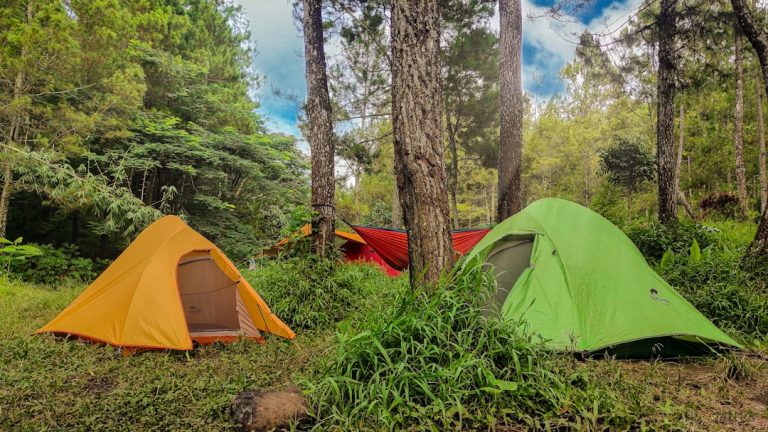
One of the best parts about outdoor travel is that it can be tailored to any budget. Camping can be a surprisingly economical choice for accommodation, especially when you consider the costs of hotels in popular tourist areas. With a little research, you can find free campsites or national parks with low entry fees. Bring your own food and cooking gear, and you’ve got yourself a week of exploration at a fraction of the cost of staying in a hotel.
If you’re leaning towards a more luxurious experience, fear not! Glamping (glamorous camping) has taken the travel world by storm. Imagine sleeping in a cozy tent with plush bedding, gourmet meals prepared for you, and perhaps even a spa treatment to top it all off. Glamping allows you to indulge in nature without sacrificing comfort. Many locations also offer eco-friendly options, blending luxury with sustainability, which is an essential consideration in today’s travel landscape.
The importance of eco-conscious travel is more pronounced than ever. As travelers, we have the power to influence the preservation of the beautiful landscapes we cherish. Opting for eco-friendly alternatives—such as using biodegradable toiletries, carrying reusable water bottles, and choosing eco-lodges—can make a significant impact. Moreover, many outdoor companies now focus on sustainability, from the gear they produce to the tours they offer. This movement toward greener practices ensures that we can enjoy the great outdoors while also protecting it for future generations.
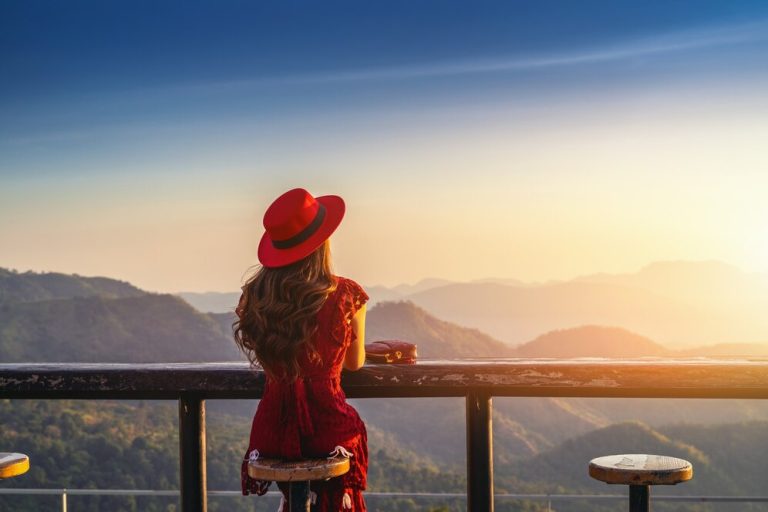
Adventure travel can also be a deeply personal journey. Engaging in outdoor activities—be it hiking, kayaking, or rock climbing—offers not only physical challenges but also mental and emotional benefits. Stepping outside your comfort zone often leads to a surge of confidence and a sense of achievement. Imagine standing atop a mountain peak, wind whipping through your hair, and taking in a breathtaking view after a challenging hike. That moment, filled with awe and accomplishment, is priceless.
Let’s not forget the psychological benefits of nature. Studies have shown that spending time outdoors can reduce stress, anxiety, and depression. It promotes mindfulness, allowing us to be present and connected to the world around us. Next time you feel overwhelmed by the hustle and bustle of daily life, consider a weekend getaway into the wild. Nature has an incredible way of resetting our minds and spirits.
As we venture into the future of travel, emerging trends like slow travel are gaining traction. Instead of racing through destinations to check off a list, slow travel encourages deeper connections with places and cultures. Spending more time in fewer locations allows for authentic interactions with locals and a greater appreciation for the surroundings. It’s about quality over quantity—truly experiencing a place instead of merely visiting it.
In conclusion, embracing the great outdoors through travel is not just about the destination; it’s about the journey and the experiences that come with it. Whether you choose to go on a budget camping trip or indulge in a glamping experience, remember that each adventure offers a unique opportunity to grow, learn, and connect with nature. So pack your bags, lace up your hiking boots, and get ready to explore the incredible world that awaits outside your door.